Rocket Science
In 2019 I was working in Texarkana Texas when an ex-boss called and asked me to move to Huntsville, Alabama. Huntsville was headquarters for the division that made the HYDRA 70 rocket system. HYDRA is an unguided rocket propelled by the MK66 motor, which used a cartridge-loaded extruded double base propellant grain procured from the Radford Army Ammunition Plant. At that time, the Future Vertical Lift program (which included aviation missiles as well as airframes) planned to replace the unguided HYDRA rocket with a guided version. Target range for the new missile was double that of HYDRA. My job was to develop the replacement.
I did not know much about rocket motors, but intuition and some ballistic analysis indicated that doubling the range with no increase in motor space claim defied the laws of physics. However, we resolved to achieve the range gains that we could realize through aerodynamic and propulsive improvements.
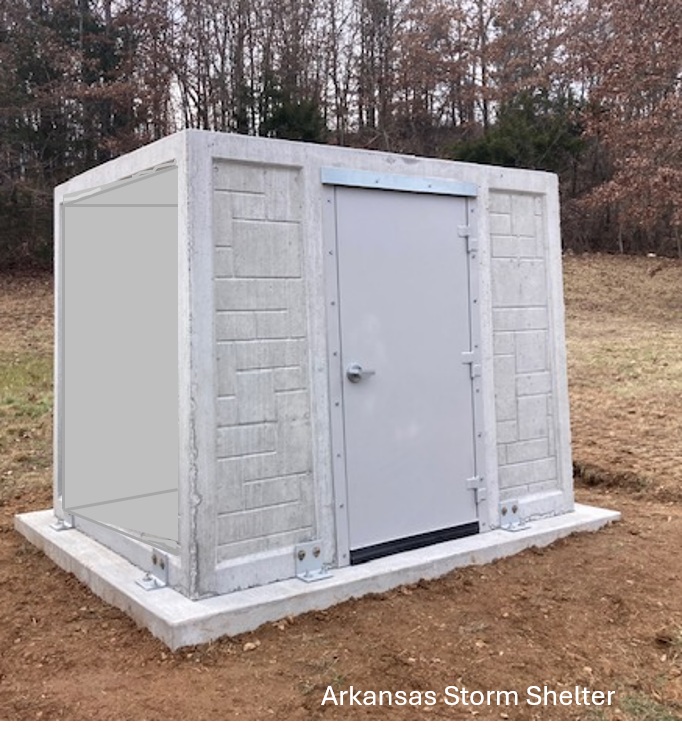
We wanted to replace the extruded double base MK90 propellant grain with a higher specific impulse composite propellant grain. This required developing composite propellant technology. The division's Camden Arkansas plant made composite warheads, so it had the basic equipment (vertical planetary mixers, cure bays, etc.). It also had a test range where it fired LAT motors for the HYDRA program. The range had room for our developmental test stand that we set up in a prefabricated tornado shelter we purchased from Arkansas Storm Shelter, cutting one side open with a concrete saw. However, we had no experience making composite propellants.
We started by making mixes in a lab planetary mixer. The propellant recipes came from the JANNAF database or old reports I found online. Motor hardware, propellant chemicals and igniters came from amateur rocket companies,in particluar RCS/Aerotech.
The advantages of sourcing from amateur rocket suppliers include proven systems, low cost, short lead times, small order quantities, and motor case diameters up to 98mm, to name a few. The solid phenolic nozzles eroded badly, allowable case pressures were limited, and propellant volumetric loading was low. But the hardware allowed us to develop our propellant formulas and gain experience as we developed our own designs.
The amateur rocket industry also provided training in the form of the CP Technologies Rocket Motor course offered by John Wickman. The hands-on training and software tools provided by CP Technologies, Apogee, BurnSim and others proved invaluable to our effort to bootstrap our way up on a shoestring budget. We suffered our share of rocket motor explosions as we initially did not have a strand burner and had no way of accurately characterizing our propellant burn rates. However, we learned from detailed forensic analyses on each one and slowly gained experience. The addition of a low-cost strand burner from the University of Texas team in Austin was a major turning point in our developmental success.
The future vertical lift program was cancelled in 2024, but the leadership team continued to fund the IRAD motor development efforts. We were awarded our first motor developmental contract in 2022, which led to other developmental and finally production contracts. The culmination was company investment in expansion of the Camden AR facility to include a new plant dedicated to solid rocket motor production. The core team suffered many setbacks as we learned the craft the hard way, and our efforts gave our leadership team confidence to make the investment.
One of my jobs during that period was writing proposals. This is a unique craft that requires knowledge of all aspects of rocket motor design. The idea is to develop a concept motor that will meet the Solicitation requirements so that schedule, cost, and technical risk can be assessed. I will describe the process I used in a subsequent article.
Privacy Policy
Web site and all contents Copyright Explosives Consulting LLC. All rights reserved.


